

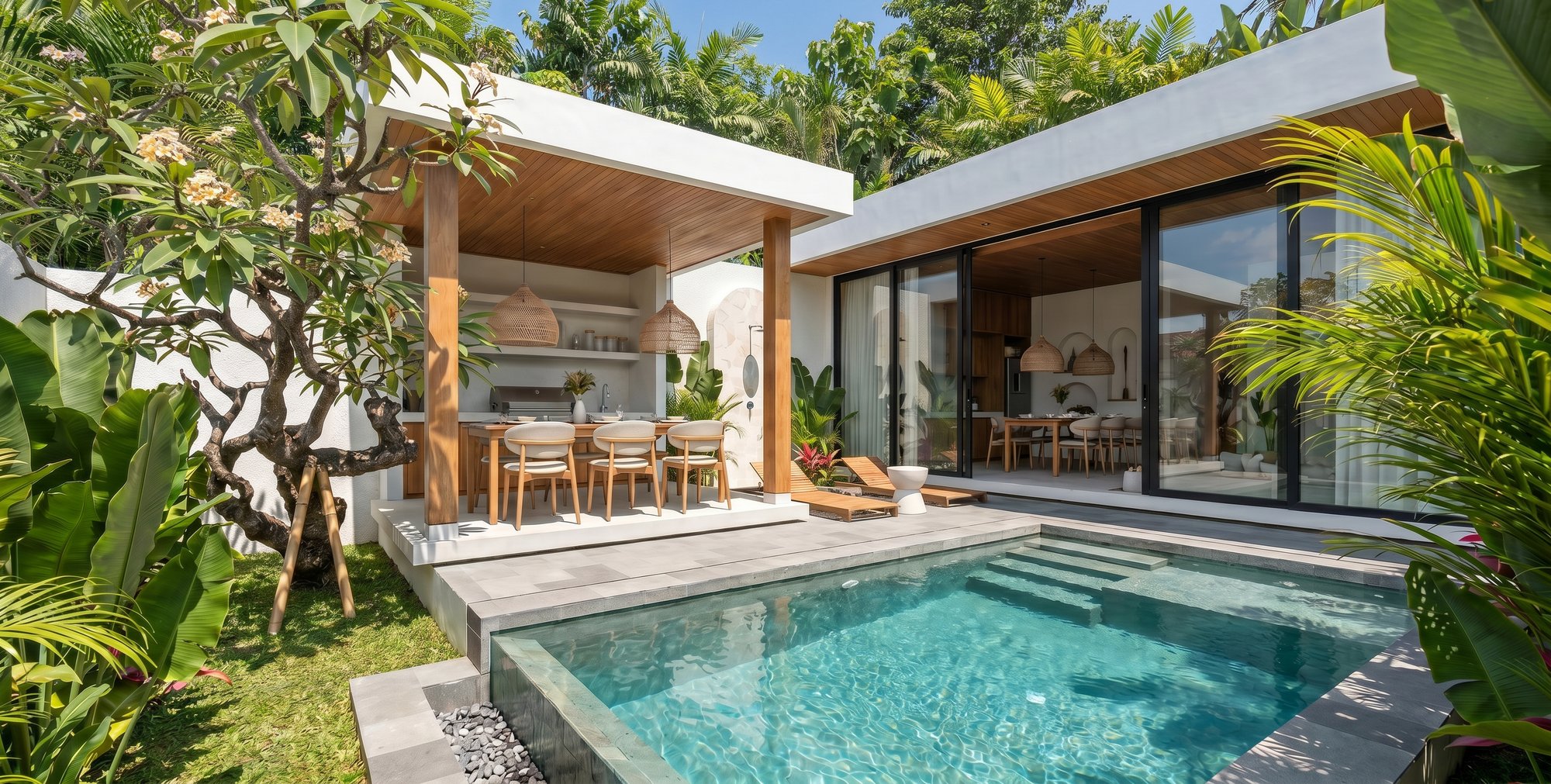
What you can and can't own, how long-term leasehold works, the rental yields to expect, and where to invest — a clear, practical guide.
The Philippines has become one of Asia's most talked-about property markets — strong tourism, a young economy and rising rental demand. But the ownership rules are different from most countries, and getting them right is the difference between a sound investment and an expensive mistake. This guide explains, in plain terms, how foreigners buy and invest in Philippine property, what returns are realistic, and where the opportunities are.
This is general information, not legal or tax advice. Philippine property rules apply differently to each transaction — always engage a licensed Philippine lawyer and tax adviser before you commit.
Yes — but with one key restriction. Under the Philippine Constitution, foreign nationals cannot own land outright. What foreigners can do is well established, and most international investors use one of these routes:
Foreigners can own condominium units in their own name, provided foreign ownership across the whole project does not exceed 40% (Republic Act 4726, the Condominium Act).
Foreigners can hold secure, long-term lease rights over land and the home built on it. Under the Investors' Lease Act, an investor lease can run up to 50 years with a single 25-year renewal — up to 75 years of tenure.
Land can be held by a Philippine company that is up to 40% foreign-owned. This route needs proper structuring and ongoing compliance.
Former natural-born Filipinos and acquisition through a Filipino spouse have their own specific rules and limits.
For a house or villa on its own land — as opposed to a condo unit — the long-term leasehold is the route most foreign buyers use, because it gives secure, transferable rights to a specific property without needing to own the land itself.
Freehold means owning the land itself — a route generally closed to foreign individuals in the Philippines. Leasehold means holding contractual rights to use and enjoy a specific property for a long, defined period, under an agreement with the registered landowner.
A well-structured long-term leasehold typically gives the leaseholder:
Commonly an initial term with an agreed extension option; investor leases can reach up to 75 years in total.
The right to occupy the villa and its designated plot, and to place it in a rental programme when not in personal use.
Depending on the agreement, lease rights can usually be sold or assigned to another party.
The exact terms — length, extension, transfer, inheritance and how the rights are documented — are set out in the lease agreement and the project's legal papers, and this is precisely where independent legal advice matters most.
Returns vary widely by location, property type and how the property is run. Long-term residential rentals in the major cities tend to produce more modest yields, while well-located short-stay and holiday rentals in tourism destinations can perform considerably better — especially private villas, where nightly rates and occupancy are higher and supply is limited.
Two factors decide the outcome more than any other: occupancy and professional management. A villa marketed across Airbnb, Booking.com and direct channels, priced dynamically by season and run to a consistent standard, is a very different asset from one managed ad hoc.
As a worked example, the fully-managed programme at Tana Villas projects net rental yields of roughly 11–18% on the USD $230,000 villa price — after operating costs, the management fee and a reserve fund. These are illustrative projections based on assumed occupancy and nightly rates; actual performance varies and returns are never guaranteed. The point is the structure: yield in the Philippines is earned through location, occupancy and management, not assumed.
Location does most of the work. For holiday-rental yield, you want proven and rising tourism, improving access, and a shortage of quality supply — which is exactly the Panglao story.
Bohol pairs an operational, expanding international airport with the diving and white-sand beaches Panglao is known for, and a growing luxury-hospitality presence — while premium private-villa supply is still limited. That combination is what makes the island interesting to investors right now.
Personal-use holiday home, pure rental investment, or both. It shapes the property type, location and structure that suit you.
Condo unit, leasehold villa or corporate route — each has different rights, costs and compliance. Match it to your goal.
Verify the title, the developer, the landholding structure and the permits. Appoint an independent Philippine lawyer to review everything before you sign.
Reservation, then the lease or purchase agreement setting out price, payment schedule, term and your rights in full.
Settle payments on the agreed schedule and, for a rental asset, put professional management in place so the property earns from the start.
Budget beyond the headline price. A Philippine purchase or lease can involve transfer and documentary taxes, registration and legal fees, and — for a furnished rental — a furniture and fit-out budget. Rental income earned in the Philippines is subject to local tax, and how it is treated also depends on your country of residence and any double-tax treaty.
None of this is a reason to hesitate — it is a reason to model the net return, not the gross, and to take proper tax advice in both countries. A good developer or manager will show you the full cost stack transparently.
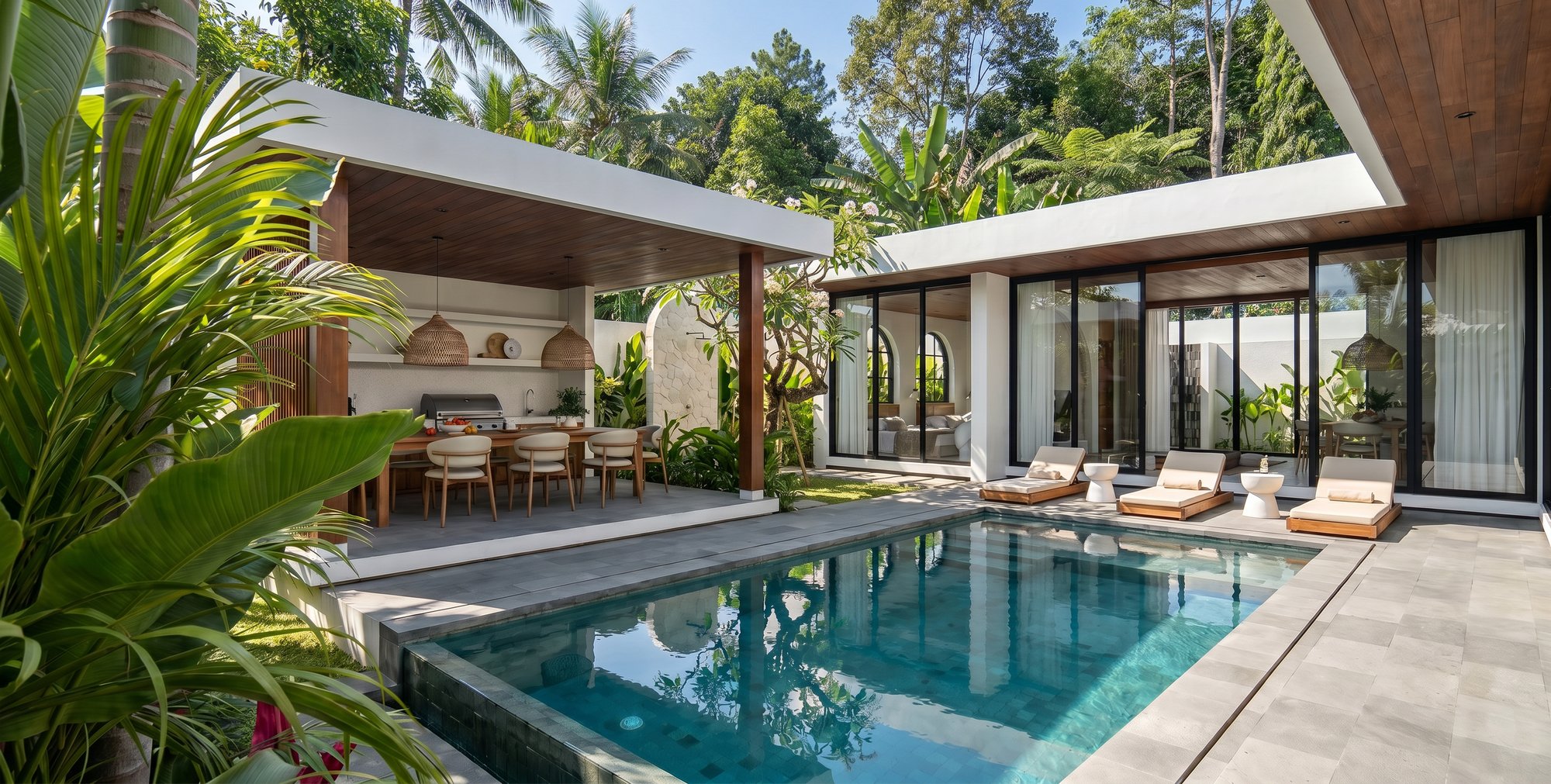
Tana Villas is a boutique collection of 20 Bali-inspired private-pool villas in Panglao, Bohol — offered to foreign investors on a long-term leasehold structure (a 50-year term with a 25-year extension option), and run as fully-managed, resort-level accommodation. It is, in effect, this guide made concrete: a leasehold route, a proven holiday-rental location, and professional management doing the work.
Two- and three-bedroom villas, each with a private pool.
Illustrative, on the villa price; the full model is available on request.
Marketing, guests, housekeeping and reporting handled for you.
Specific terms are set out in the lease agreement and project documents. Prospective buyers should seek independent legal and financial advice.
A foreigner can own the house or building, but generally not the land it sits on. In practice this is handled through a long-term lease of the land, ownership of a condominium unit, or a Philippine corporation that is up to 40% foreign-owned.
Yes. Foreigners can own condominium units in their own name, as long as foreign ownership across the whole condominium project does not exceed 40% (Republic Act 4726).
Under the Investors' Lease Act, a qualifying investor lease of private land can run up to 50 years, renewable once for a further 25 years — up to 75 years in total. Other leases have different limits. The exact term is set in the lease agreement.
It can be, in the right location and structure. The Philippines has strong tourism and steady house-price growth, and well-located, professionally-managed holiday rentals can produce attractive yields. As with any market, returns depend on location, occupancy, costs and management — and are not guaranteed.
Long-term city rentals tend to yield modestly, while managed short-stay villas in tourism areas can do considerably better. Tana Villas, for example, projects net rental yields of roughly 11–18% on the villa price under a fully-managed programme — illustrative figures that depend on occupancy and are not guaranteed.
Rental income earned in the Philippines is subject to Philippine tax, and its treatment also depends on your country of residence and any applicable double-tax treaty. Take advice from a Philippine tax adviser and one in your home country before you invest.
Get the Tana Villas investment pack — the brochure, the full financial model and first-release pricing for Bali-inspired private-pool villas in Panglao, Bohol.